How AI Might Transform the Future Job Market and What It Means for Employment
- Walk With AI
- May 6
- 3 min read
Artificial intelligence (AI) is changing the way we live and work. Its rapid development raises a pressing question: how will AI affect jobs? Many fear that AI could replace human workers, but the reality is more complex. Understanding how AI might transform the job market helps us prepare for the future and find ways to adapt.
How AI Is Already Changing Work
AI is no longer just a concept for the future. It is already performing tasks that once required human skills. For example:
Customer service: Chatbots handle common questions, freeing human agents for complex issues.
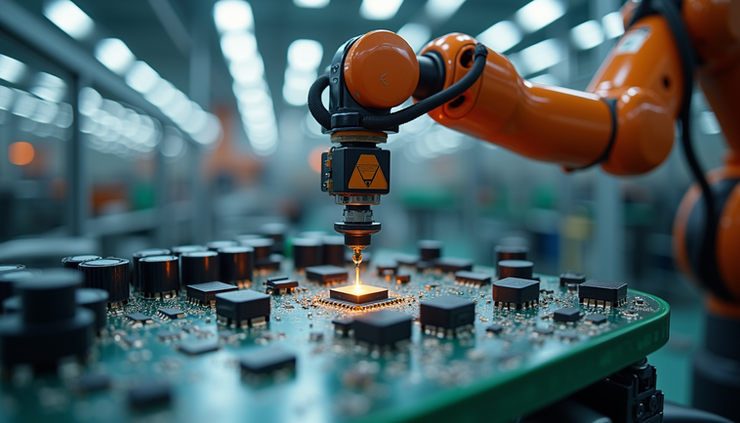
Manufacturing: Robots assemble products with precision and speed.
Data analysis: AI tools scan large datasets to find patterns faster than people can.
These examples show AI taking over repetitive or data-heavy tasks. This shift allows companies to reduce costs and improve efficiency. However, it also means some jobs may disappear or change significantly.
Jobs Most at Risk
Certain roles face higher risks of automation due to their routine nature. These include:
Data entry clerks: AI can input and process data faster and with fewer errors.
Telemarketers: Automated calling systems can reach more people without breaks.
Assembly line workers: Robots can perform repetitive physical tasks continuously.
A 2019 study by the Brookings Institution estimated that 25% of U.S. jobs are highly susceptible to automation. This does not mean all these jobs will vanish immediately, but the potential for change is significant.
New Opportunities Created by AI
While AI may replace some jobs, it also creates new roles and industries. For example:
AI maintenance and programming: Skilled workers are needed to build, maintain, and improve AI systems.
Data science: Experts analyze AI-generated data to guide business decisions.
Creative fields: AI tools assist artists, writers, and designers, expanding creative possibilities.
These emerging roles often require different skills, such as critical thinking, creativity, and technical knowledge. Workers who adapt and learn new skills can find opportunities in this evolving landscape.
How Workers Can Prepare
Adapting to AI-driven changes requires proactive steps:
Continuous learning: Taking courses in technology, data analysis, or AI basics helps workers stay relevant.
Developing soft skills: Communication, problem-solving, and emotional intelligence remain valuable.
Exploring new career paths: Being open to roles that combine human judgment with AI support.
Governments and organizations can support this transition by offering retraining programs and encouraging lifelong education.
The Role of Employers and Policymakers
Employers must balance adopting AI with supporting their workforce. This includes:
Investing in employee training for new technologies.
Redesigning jobs to combine human and AI strengths.
Creating clear communication about AI’s role in the workplace.
Policymakers can help by:
Funding education and retraining initiatives.
Updating labor laws to protect workers in changing industries.
Encouraging ethical AI development that considers social impacts.
Ethical Considerations and Social Impact
AI’s impact on jobs raises ethical questions:
How do we ensure fair access to new opportunities?
What happens to workers displaced by automation?
How can AI be designed to support, not replace, human dignity?
Addressing these concerns requires collaboration between technologists, businesses, governments, and communities.
Looking Ahead
The future job market will likely be a mix of AI-driven automation and new human roles. Some jobs will disappear, others will evolve, and new ones will emerge. Preparing for this future means embracing change, investing in skills, and shaping AI development responsibly.



Comments